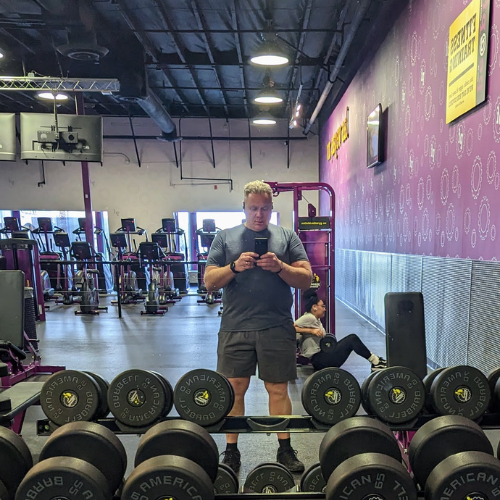
My workout plan…
Is well-rounded and combines both cardiovascular exercise and strength training. As I am getting older, My workout plan is a little less aggressive. Remember incorporating variety and targeting different muscle groups is a good approach to promote overall fitness.
Here’s a breakdown of my plan and some additional tips:
Cardiovascular Exercise (Elliptical Machine):
5 days a week for 30 minutes each session is a decent amount of cardiovascular activity.
The elliptical is a low-impact option that’s easier on your joints compared to running or jumping. I have arthritis in my knee that gets aggravated when I try to jog. (Old Man Problems) I do miss the mental clarity that comes from a good outdoor jog but the elliptical has been working just fine.
Make sure to adjust the resistance and intensity levels as your fitness improves to continue challenging yourself.
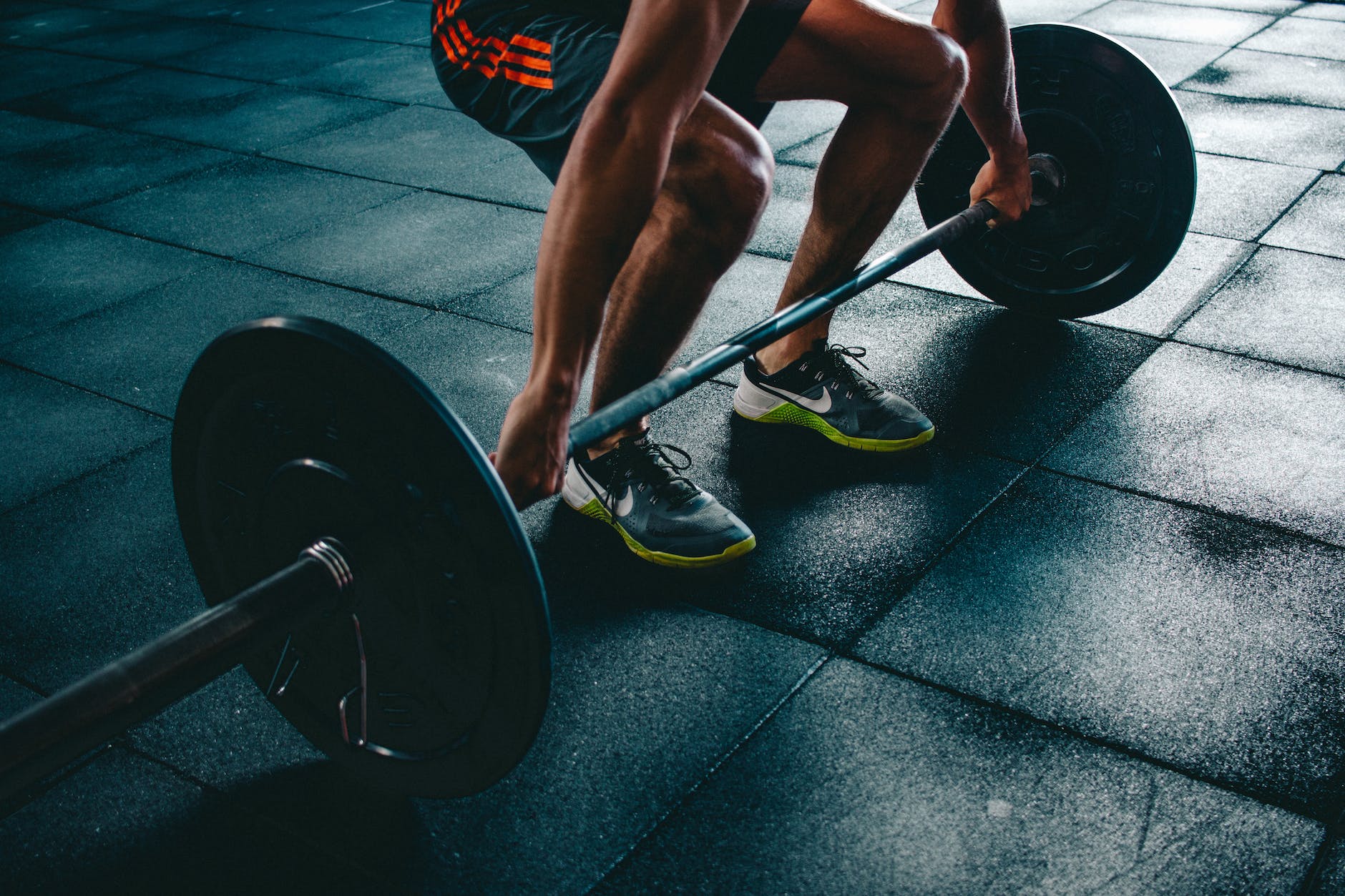
Weight Training (Arms, Chest, Back, Shoulders, Deadlifts):
I mix it up and do various exercises for each muscle group
Alternating between muscle groups is a smart way to give your muscles adequate time to recover.
Focus on using proper form and gradually increase the weight as you get stronger.
Compound exercises like deadlifts are excellent for building overall strength and engaging multiple muscle groups.
Ab Workouts ( Ab Ball Exercises, Mountain Climbers, Planks):
Ab workouts are important for core strength and stability.
Using an exercise ball can add variety and challenge to your ab routine.
Mountain climbers and planks engage not only your abs but also your whole body, promoting functional strength.
Suggestions:
1. Rest and Recovery: Make sure you allow yourself at least one or two days of rest each week to allow your muscles to recover and reduce the risk of overtraining.
2. Progressive Overload: To continue seeing results, gradually increase the intensity of your workouts. This could mean lifting slightly heavier weights or increasing the duration or intensity of your cardio sessions over time.
3. Warm-Up and Cool-Down: Always start your workout with a dynamic warm-up to prepare your body for exercise, and end with a cool-down and some static stretches to help prevent injury and improve flexibility.
4. Nutrition: Remember that a balanced diet is essential to support your fitness goals. Adequate protein intake is especially important for muscle recovery and growth.
5. Hydration: Drink enough water throughout the day, especially before, during, and after your workouts.
6. Listen to Your Body: If you’re feeling excessively fatigued, experiencing pain, or not seeing the progress you expect, consider consulting a fitness professional or healthcare provider to ensure your plan is appropriate for your individual needs and goals.
Remember that consistency is key. Stick to your plan, track your progress, and make adjustments as necessary based on how your body responds over time.
 PrataThyme
Leave a comment