
Honey, Teriyaki, Ginger, and Garlic Marinated and Roasted Chicken Recipe:
Exploring the Delightful World of Asian Marinades:
Asian cuisine is renowned for its bold and tantalizing flavors, and at the heart of many Asian dishes lies the secret ingredient – marinades. These magical concoctions of herbs, spices, sauces, and seasonings transform ordinary ingredients into culinary masterpieces. In this blog post, we will delve into the art of Asian marinades, exploring their diverse range, their cultural significance, and providing you with some mouthwatering recipes to try at home.
The Diversity of Asian Marinades
One of the most fascinating aspects of Asian cuisine is its incredible diversity, and this diversity is reflected in the multitude of marinades found throughout the continent. From the fiery and aromatic flavors of Southeast Asia to the delicate and balanced tastes of East Asia, there is an Asian marinade for every palate.
1. Soy Sauce and Mirin Marinade (Japanese): Japanese cuisine often emphasizes the use of umami-rich ingredients, and this marinade is no exception. A blend of soy sauce, mirin (a sweet rice wine), sake (Japanese rice wine), and sugar creates a harmonious balance of sweet and savory flavors, perfect for marinating fish, chicken, or tofu.
2. Tandoori Marinade (Indian): Although technically South Asian, the bold flavors of tandoori marinades are a must-mention. Comprising yogurt, spices like cumin, coriander, and turmeric, as well as garlic and ginger, this marinade is ideal for meats and vegetables destined for the grill or tandoor oven.
3. Lemongrass and Coconut Marinade (Vietnamese): Vietnamese cuisine is known for its fresh and aromatic ingredients, and this marinade exemplifies that. Lemongrass, coconut milk, fish sauce, and a hint of chili create a fragrant and exotic blend for chicken, seafood, or tofu.
4. Sambal Marinade (Indonesian): Spice enthusiasts rejoice! Indonesian cuisine boasts the fiery sambal marinade, which includes chili peppers, garlic, shallots, and shrimp paste. This marinade packs a punch and is perfect for grilled meats, seafood, or vegetables.
5. Bulgogi Marinade (Korean): Korean BBQ is a worldwide sensation, and the secret behind its mouthwatering flavor is often the Bulgogi marinade. Soy sauce, garlic, sugar, and Asian pear combine to create a sweet and savory marinade for thinly sliced beef or pork.
Cultural Significance of Asian Marinades
Asian marinades are not just about enhancing flavor; they also carry cultural significance. These marinades have been passed down through generations and play a vital role in connecting people to their heritage and traditions.
In many Asian cultures, the act of marinating food is a reflection of the importance of patience and attention to detail in cooking. It’s a way of showing respect for the ingredients and the art of food preparation.
Furthermore, marinades often tell stories of trade and cultural exchange. Ingredients like soy sauce, which originated in China, have made their way into cuisines across Asia and beyond, showcasing the interconnectedness of cultures through food.
Asian marinades are a gateway to a world of incredible flavors and cultural exploration. Whether you’re a fan of the bold and spicy or the subtle and savory, there’s an Asian marinade for you. So, roll up your sleeves, gather your ingredients, and embark on a culinary journey through the diverse and delightful world of Asian marinades. Your taste buds will thank you!
Ingredients:
For the Marinade:
- 1/4 cup soy sauce
- 1/4 cup honey
- 2 tablespoons teriyaki sauce
- 1 tablespoon grated ginger
- 3 cloves garlic, minced
- 1 tablespoon sesame oil
- 1 tablespoon rice vinegar
- 1/2 teaspoon red pepper flakes (optional, for some heat)
For the Roasted Chicken:
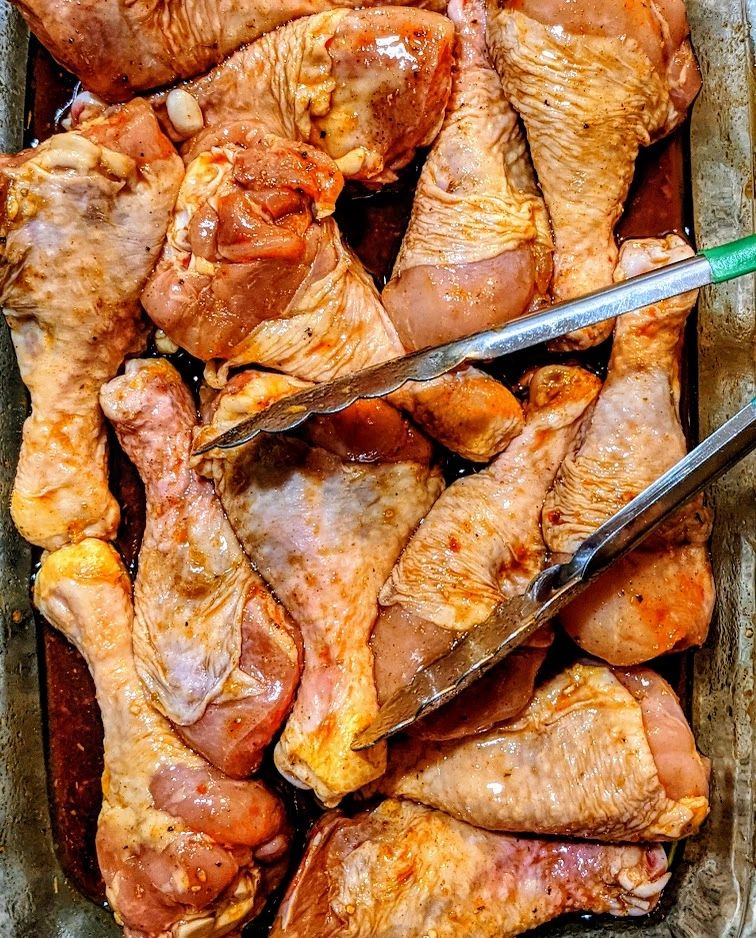
4 bone-in, skin-on chicken pieces (such as thighs or drumsticks)
Chopped green onions and sesame seeds for garnish
Instructions:
1. In a bowl, whisk together all the marinade ingredients: soy sauce, honey, teriyaki sauce, grated ginger, minced garlic, sesame oil, rice vinegar, and red pepper flakes (if using).
2. Place the chicken pieces in a zip-top bag or a shallow dish. Pour the marinade over the chicken, making sure each piece is well coated. Seal the bag or cover the dish with plastic wrap. Place it in the refrigerator and let the chicken marinate for at least 2 hours, or preferably overnight for the flavors to develop.
3. Preheat the oven to 400°F (200°C).
4. Take the chicken out of the marinade and let any excess marinade drip off. Place the chicken pieces on a baking sheet lined with parchment paper or a greased wire rack set over a baking sheet.
5. Roast the chicken in the preheated oven for about 35-45 minutes, or until the chicken is cooked through and the skin is golden and crispy. The internal temperature of the chicken should reach 165°F (74°C) when measured with a meat thermometer.
6. While the chicken is roasting, you can periodically brush it with some of the reserved marinade to enhance the flavor.
7. Once the chicken is cooked, remove it from the oven and let it rest for a few minutes before serving.
8. Garnish the roasted chicken with chopped green onions and sesame seeds for extra flavor and presentation.
9. Serve the Honey Teriyaki Ginger Garlic Marinated and Roasted Chicken with your choice of side dishes, such as steamed rice, stir-fried vegetables, or a fresh salad.
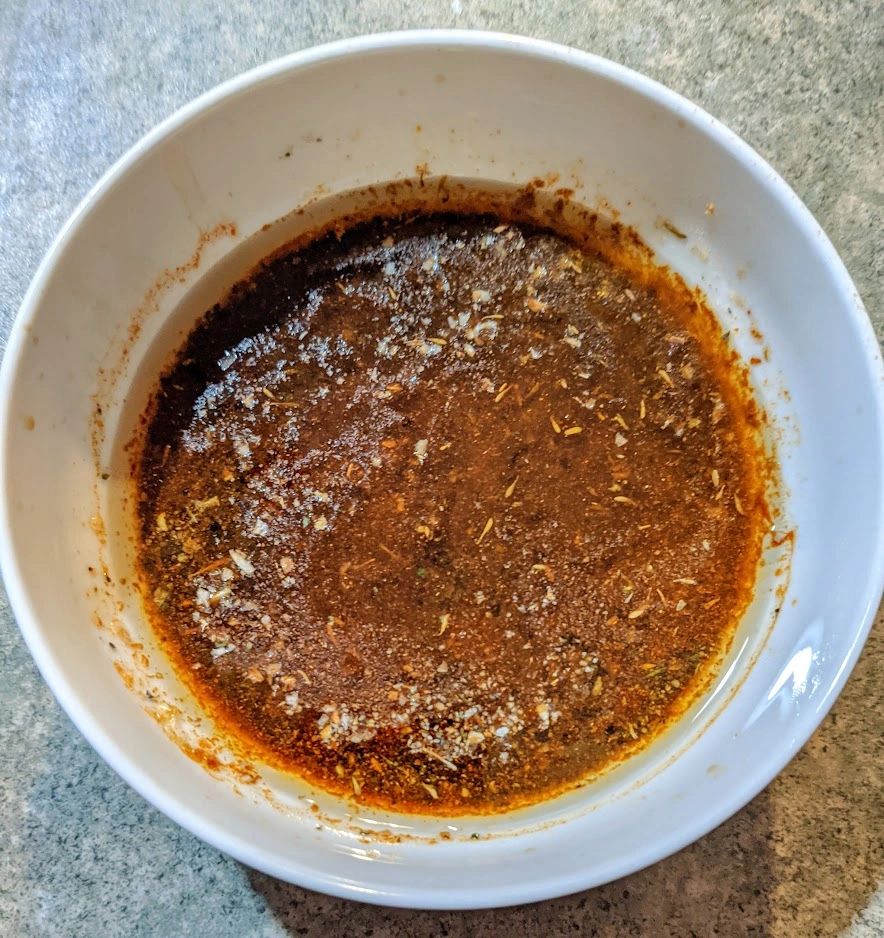
The combination of honey, teriyaki, ginger, and garlic creates a deliciously balanced marinade that imparts incredible flavor to the chicken.
Roasting the marinated chicken results in a savory, tender, and slightly sweet dish that’s perfect for any meal.
Nutrition Facts
Serving size: servings
Servings: 4
Amount per serving
Calories 338
% Daily Value*
Total Fat 11.9g 15%
Saturated Fat 2.8g 14%
Cholesterol 101mg 34%
Sodium 1343mg 58%
Total Carbohydrate 21.9g 8%
Dietary Fiber 0.5g 2%
Total Sugars 19g
Protein 34.7g
Vitamin D 0mcg 0%
Calcium 30mg 2%
Iron 2mg 12%
Potassium 373mg 8%
*The % Daily Value (DV) tells you how much a nutrient in a food serving contributes to a daily diet. 2,000 calorie a day is used for general nutrition advice.
 PrataThyme
Leave a comment